Soak and Spray
It is a environment friendly low temperature alkaline cleaner . It cleans cold mill roll , electro-varnish steel and aluminium , can be use in mechanical or electro--galvanisedn
Productprocess flowTDSMSDSID: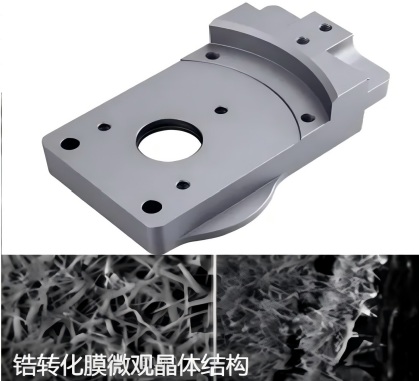
Zirconium Coating
Zirconium coatings enhance corrosion resistance, wear protection, thermal stability, and paint adhesion across industrial and metal applications.
Productprocess flowTDSMSDSID: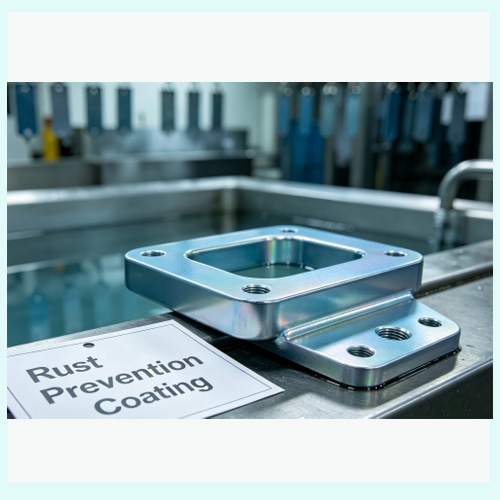
Rust Prevention Coating
Zirconium rust‑prevention coating, also known as zirconium‑based conversion coating or titanium‑zirconium pretreatment, is a chromate‑free thin‑film surface treatment widely adopted as an alternative to traditional phosphating and chromate passivation. It is applied on aluminum, galvanized steel, cold‑rolled steel and mixed‑metal components within plating, painting and general metal‑finishing production lines.
Productprocess flowTDSMSDSID:
Nickel Stripper
For fast removal of Nickel from Steel, Copper, Brass, Zinc Die-Cast, Silver, Gold, Tin, Aluminum, Lead, and Lead Alloys.
Productprocess flowTDSMSDSID:
Chrome Stripper
To strip chrome, you can use the following methods: Chrome Stripping Solution: This solution is designed to electrochemically remove chrome plating without damaging the underlying nickel. It requires proper equipment, including a source of direct current voltage.
Productprocess flowTDSMSDSID: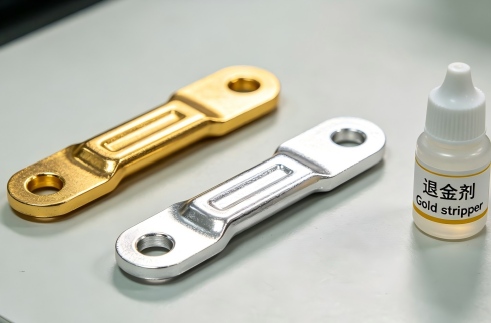
Gold stripper
Gold stripper is a specialized chemical solution for selective removal of electroplated or electroless gold layers from underlying substrates including nickel, copper, Kovar and PCB base materials in electronics, precision plating rework and precious‑metal recycling operations. It dissolves metallic gold via controlled oxidation‑complexation reaction while minimising attack on base substrates, differentiating from non‑selective universal metal etchants. Two main industrial categories are widely applied: **cyanide‑...
Productprocess flowTDSMSDSID:
Jig Stripper
Jig strippers (also called rack strippers) are aggressive chemical baths used to remove accumulated metallic plating deposits from plating racks, jigs, fixtures and contact clips. During volume production, metal builds‑up on rack bars, hooks and contact points, increasing electrical resistance, causing particle contamination and poor current distribution
Productprocess flowTDSMSDSID:
Silver Stripper
Silver stripper is a specialized chemical solution designed to selectively dissolve silver plating from base substrates such as nickel, copper, brass or aluminum composites, while minimizing attack on underlying metal layers. It is widely used for rework, part‑reclamation, bad‑plating stripping and rack metal removal within electronic component plating lines.
Productprocess flowTDSMSDSID: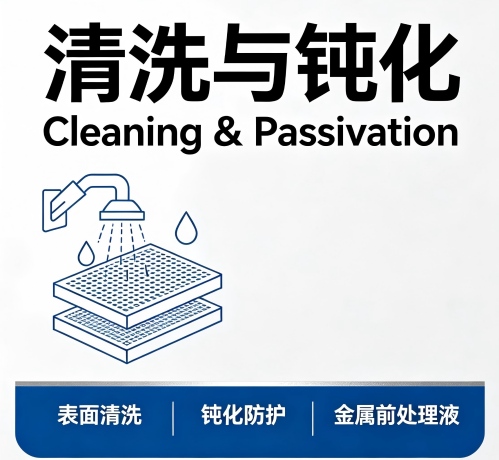
Cleaning & Passivation of Alum
Aluminum cleaning and passivation is a critical pre‑treatment sequence for aluminium and aluminium‑alloy parts. It removes surface soils, natural oxide films and intermetallic contaminants, then builds a thin, inert protective conversion film. This treatment improves corrosion resistance, enhances paint / powder‑coating / plating adhesion, and stabilises aluminium surfaces for subsequent assembly or finishing operations. The workflow consists of **alkaline cleaning → rinsing → acid desmutting → rinsing → passivati...
Productprocess flowTDSMSDSID: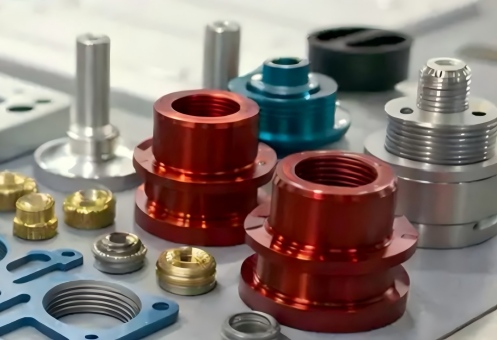
Alum anodizing
Anodizing converts aluminum’s surface into a hard, adherent porous aluminium‑oxide layer. It improves hardness, wear resistance and corrosion protection. The porous structure enables dye‑based colouring while sealing stabilises the final surface finish.
Productprocess flowTDSMSDSID: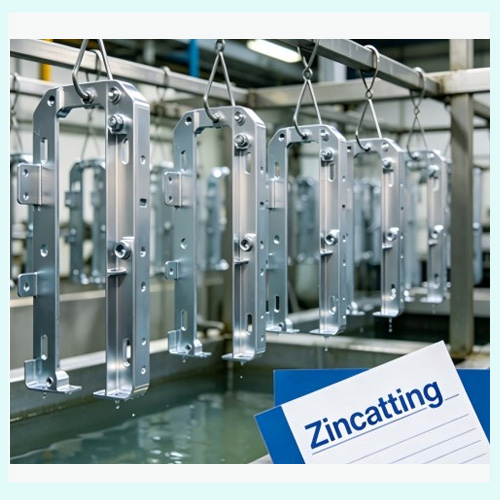
Alum Zincating
Using an alkaline zincate bath, zincating in-situ deposits an ultra-thin conductive zinc alloy interlayer on aluminum parts. This barrier prevents re-oxidation by air and creates an adherent substrate for subsequent electroplating. This process relies on electroless displacement, requiring no external electric current.
Productprocess flowTDSMSDSID: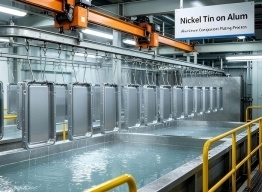
Nickel Tin on Alum
For aluminum composite components, nickel‑tin alloy plating delivers reliable whisker suppression, stable contact resistance and good solderability, yet strong native aluminium oxide demands strict pre‑treatment. It delivers combined benefits of nickel’s wear‑resistance and tin’s solderability, while suppressing tin‑whisker growth compared with pure tin plating. Plating onto aluminum is challenging because aluminum spontaneously forms a thin, non‑adherent native oxide film; strict pre‑treatment is mandatory to ac...
Productprocess flowTDSMSDSID: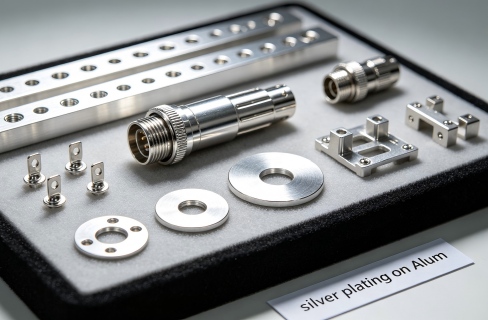
silver plating on Alum
Silver plating services have gained popularity in the lead frame industry as well as in LED applications where silver’s optical reflectivity is utilized. Silver is anti-microbial and has been used in the medical, consumer, and water treatment industries for these natural germicidal properties. Silver plating on aluminum is a process that requires careful preparation and adherence to specific steps to ensure the best results.
Productprocess flowTDSMSDSID:
Alum Phosphating
Phosphate coatings are usually applied to carbon steel, low-alloy steel and cast iron. The coating is formed with a solution of iron, zinc or manganese phosphate salts in phosphoric acid, and is applied by either spraying the solution onto the substrate, or immersing the substrate into the solution. Phosphating creates a protective layer of passive oxide film of phosphate crystals that slows corrosion. It is use best for paint adhesion.
Productprocess flowTDSMSDSID: