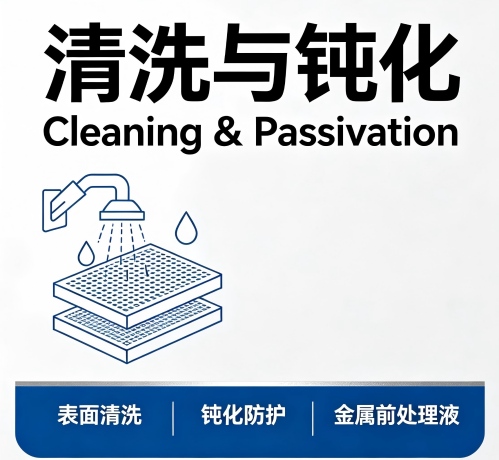
Cleaning & Passivation of Alum
Aluminum cleaning and passivation is a critical pre‑treatment sequence for aluminium and aluminium‑alloy parts. It removes surface soils, natural oxide films and intermetallic contaminants, then builds a thin, inert protective conversion film. This treatment improves corrosion resistance, enhances paint / powder‑coating / plating adhesion, and stabilises aluminium surfaces for subsequent assembly or finishing operations. The workflow consists of **alkaline cleaning → rinsing → acid desmutting → rinsing → passivati...
Productprocess flowTDSMSDSID: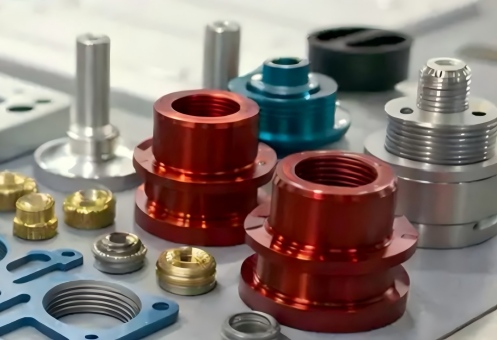
Alum anodizing
Anodizing converts aluminum’s surface into a hard, adherent porous aluminium‑oxide layer. It improves hardness, wear resistance and corrosion protection. The porous structure enables dye‑based colouring while sealing stabilises the final surface finish.
Productprocess flowTDSMSDSID: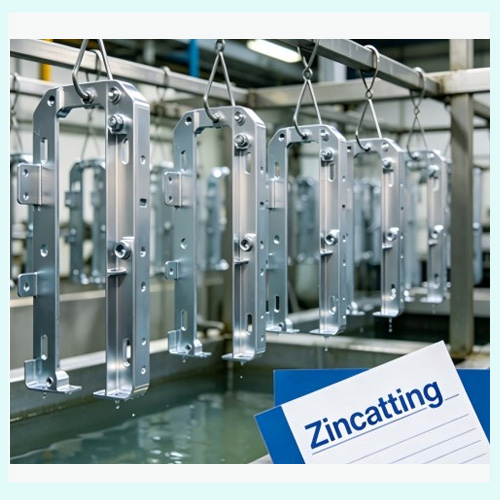
Alum Zincating
Using an alkaline zincate bath, zincating in-situ deposits an ultra-thin conductive zinc alloy interlayer on aluminum parts. This barrier prevents re-oxidation by air and creates an adherent substrate for subsequent electroplating. This process relies on electroless displacement, requiring no external electric current.
Productprocess flowTDSMSDSID:
Nickel Tin on Alum
For aluminum composite components, nickel‑tin alloy plating delivers reliable whisker suppression, stable contact resistance and good solderability, yet strong native aluminium oxide demands strict pre‑treatment. It delivers combined benefits of nickel’s wear‑resistance and tin’s solderability, while suppressing tin‑whisker growth compared with pure tin plating. Plating onto aluminum is challenging because aluminum spontaneously forms a thin, non‑adherent native oxide film; strict pre‑treatment is mandatory to ac...
Productprocess flowTDSMSDSID: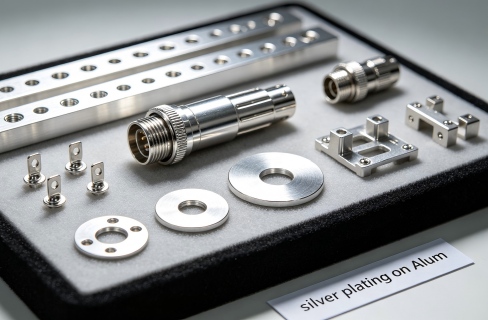
silver plating on Alum
Silver plating services have gained popularity in the lead frame industry as well as in LED applications where silver’s optical reflectivity is utilized. Silver is anti-microbial and has been used in the medical, consumer, and water treatment industries for these natural germicidal properties. Silver plating on aluminum is a process that requires careful preparation and adherence to specific steps to ensure the best results.
Productprocess flowTDSMSDSID: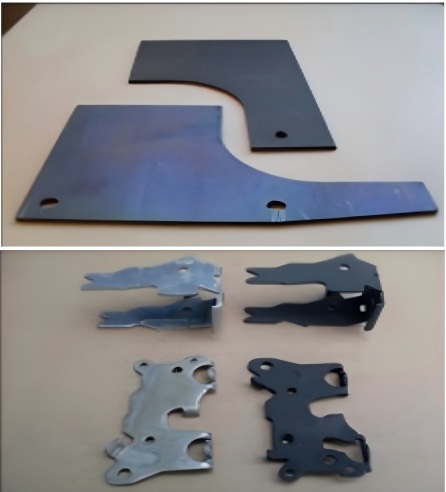
Alum Phosphating
Phosphate coatings are usually applied to carbon steel, low-alloy steel and cast iron. The coating is formed with a solution of iron, zinc or manganese phosphate salts in phosphoric acid, and is applied by either spraying the solution onto the substrate, or immersing the substrate into the solution. Phosphating creates a protective layer of passive oxide film of phosphate crystals that slows corrosion. It is use best for paint adhesion.
Productprocess flowTDSMSDSID: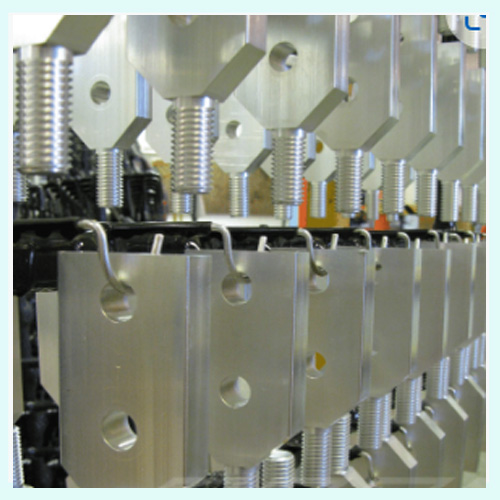
Aluminum Plating
Aluminum plating involves coating a metal or alloy surface with aluminum, typically using electroplating or electroless plating techniques.
Productprocess flowTDSMSDSID:
Alum Copper Replacement
From electrical wiring and power transmission to EVs, solar systems, aerospace, and electronics. It visually compares aluminum’s lightweight, cost‑efficient advantages against copper’s traditional conductivity. This concept is increasingly relevant for industries seeking eco‑friendly and cost‑optimized materials. Aluminum’s lower density and corrosion resistance make it ideal for power transmission lines, EV busbars, and heat sinks.
Productprocess flowTDSMSDSID: