Acid Zinc Plating
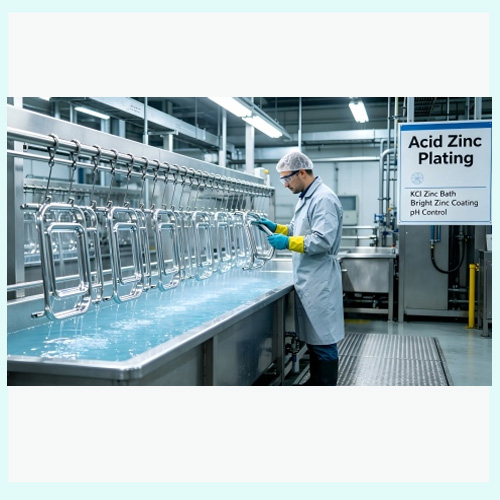
Acid zinc plating is one of the mainstream electrogalvanizing processes. Its plating bath is acidic overall, and zinc ions are directly electrodeposited on workpieces to form zinc coatings, which distinguishes it from alkaline zincate plating with strong alkaline complexing systems.
Productprocess flowTDSMSDSID:Zn-850酸性镀锌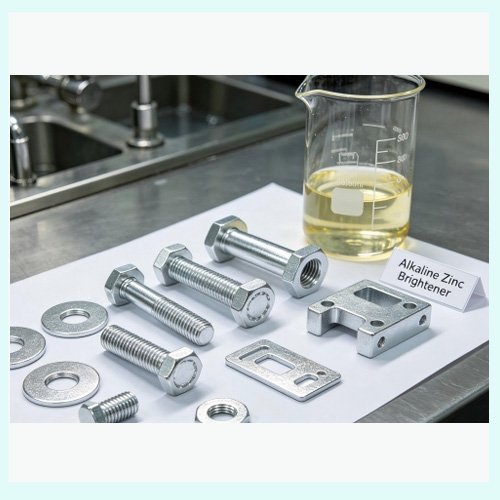
Alkaline Zinc
Alkaline zinc plating (dominated by cyanide-free alkaline zincate plating) is one of the two major mainstream electrogalvanizing processes. The plating bath is strongly alkaline (pH>12). Zinc ions form complex zincate ions with strong alkali, and a zinc coating is electrodeposited on the workpiece surface when energized.
Productprocess flowTDSMSDSID:Zn-852碱性镀锌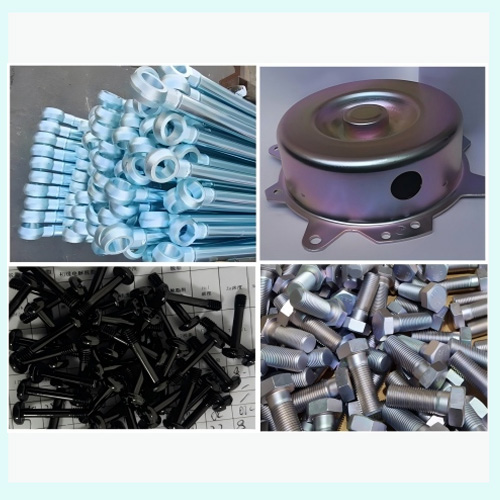
Zinc Passivation
Zinc passivation is a chemical treatment applied to zinc-coated metals to enhance corrosion resistance by forming a protective, inert layer on the surface. Zinc passivation, also known as chromate or conversion coating, is a process that creates a thin, protective layer on zinc or zinc-alloy surfaces. This layer chemically reacts with the zinc to form a zinc-chromium complex, which acts as a barrier against moisture, oxygen, and salts, preventing the formation of white rust (zinc hydroxide) and extending the li...
Productprocess flowTDSMSDSID:TCP 970/973/975/976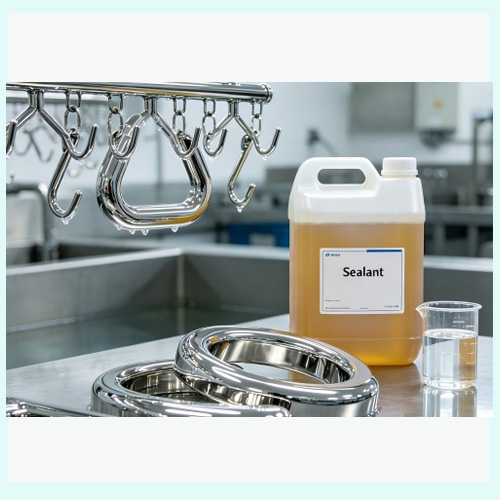
Sealant
Used as a final rinse over the other chromate plating process,provide lowviscosity coatings suitable for both rack and barrel operations. It offer over 100 hours of salt spray protection.
Productprocess flowTDSMSDSID:PB 950/951/952/953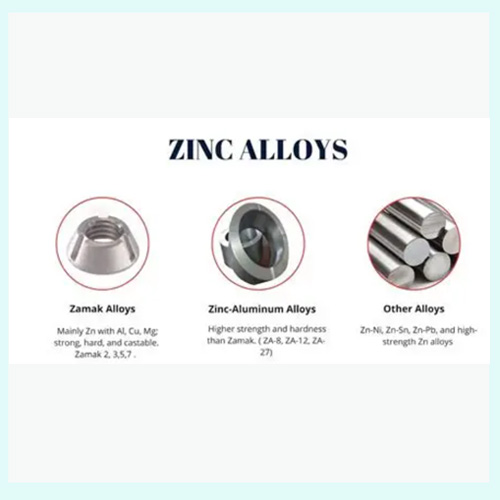
Galvanised zinc-Alloy Plating
Galvanization is the process of applying a protective zinc coating to steel or iron, to prevent rusting. The most common method is hot-dip galvanizing, in which the parts are coated by submerging them in a bath of hot, molten zinc. Zinc alloy plating (electrodeposited zinc alloy coatings): An alloy coating mainly composed of zinc with a secondary metal (nickel, iron or cobalt) is formed via electrolytic co-deposition on steel or iron substrates. As a high-performance sacrificial anti-corrosion coating, it...
Productprocess flowTDSMSDSID:ZnNi-871/872/873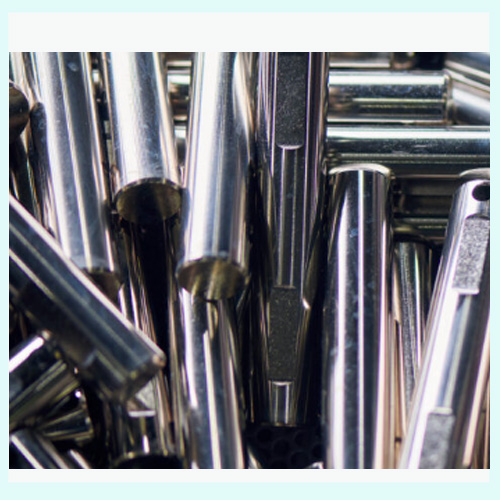
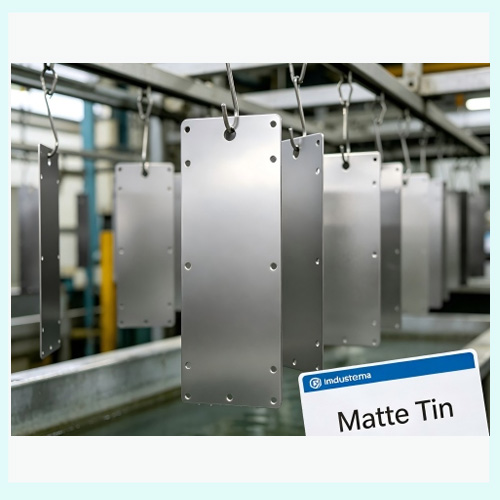
Matte Tin
Matt tin plating is the premier functional finishing choice for high-reliability electronic components. Compared with bright tin, it offers better solderability retention, anti-whisker stability and mechanical contact performance. It is widely used in automotive terminals, PCB connectors, precision switches, sensor pins and long-shelf-life electronic parts.
Productprocess flowTDSMSDSID: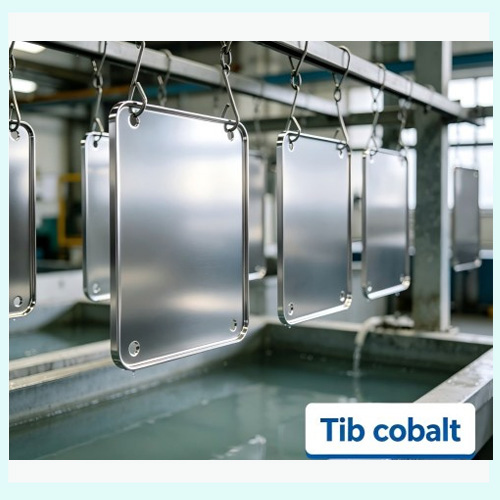
Tin Cobalt
Tin-cobalt alloy plating is a high-performance environmentally friendly substitute for decorative nickel and chromium plating. It combines decorative aesthetics, anti-allergy safety and functional durability, becoming the mainstream surface finish for fashion hardware, 3C electronic accessories, automotive interior parts and sanitary ware.
Productprocess flowTDSMSDSID: