Galvanised zinc-Alloy Plating
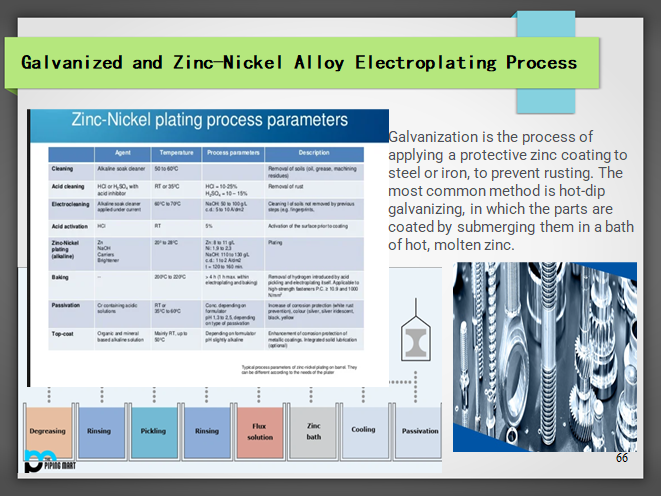
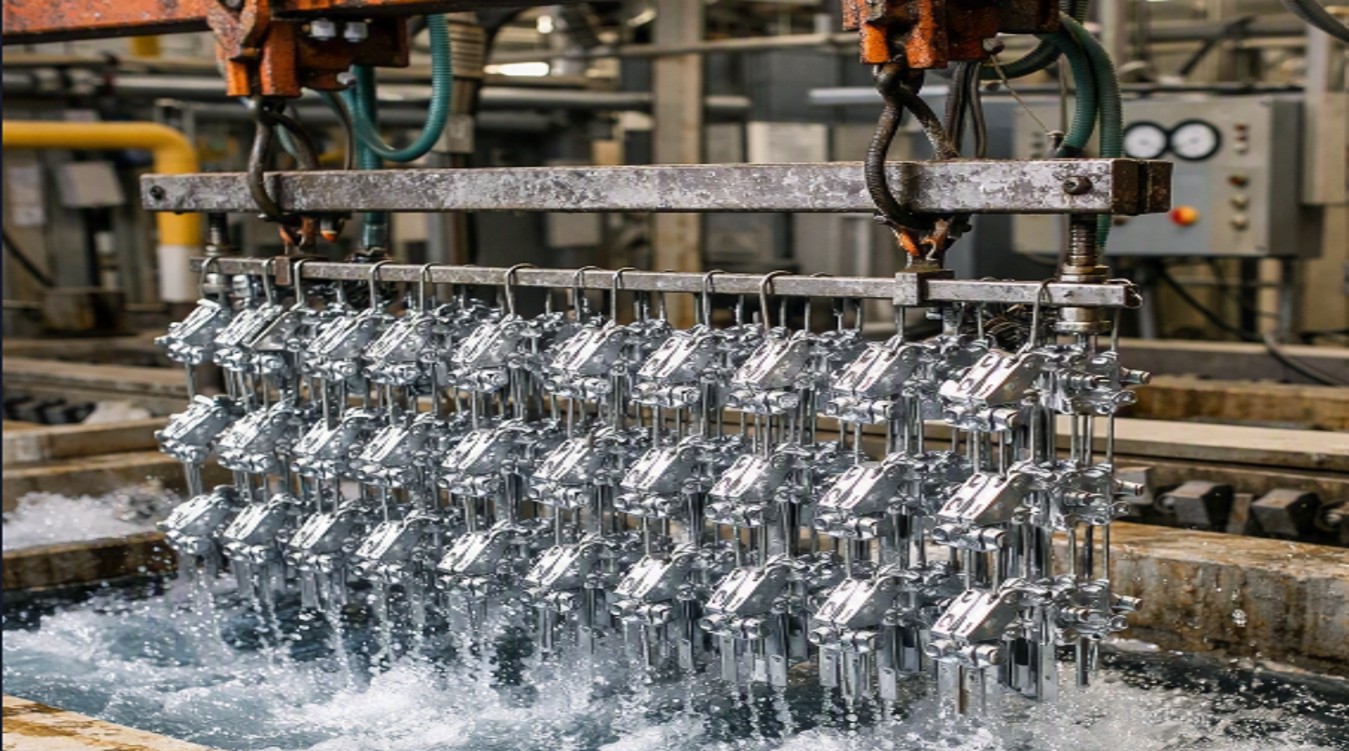
Galvanization is the process of applying a protective zinc coating to steel or iron, to prevent rusting. The most common method is hot-dip galvanizing, in which the parts are coated by submerging them in a bath of hot, molten zinc. Zinc alloy plating (electrodeposited zinc alloy coatings): An alloy coating mainly composed of zinc with a secondary metal (nickel, iron or cobalt) is formed via electrolytic co-deposition on steel or iron substrates. As a high-performance sacrificial anti-corrosion coating, it...
Productprocess flowTDSMSDSID:ZnNi-871/872/873Product Details
process flow
TDS
MSDS
Zinc alloy plating baths are divided into two main categories: acidic systems and alkaline systems.
Principle: Zinc ions and secondary metal ions co-precipitate on the cathode (abnormal co-deposition). The resulting crystalline structure is denser than pure zinc, leading to greatly improved salt spray resistance after passivation treatment.
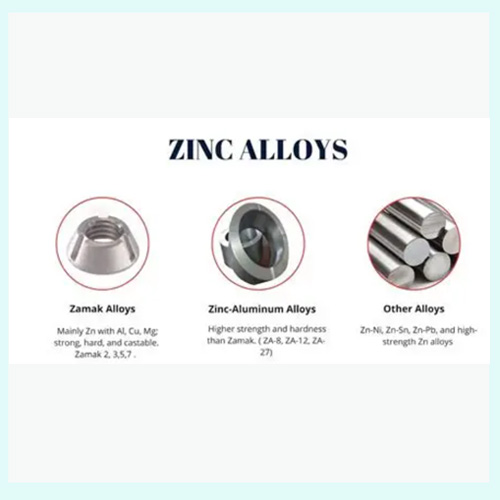
Major types of zinc alloy coatings :
1. Zinc-Nickel Alloy (Zn-Ni) – the dominant high-end option in the industry · Nickel content in coating: 10%~15% (high-nickel formulation with optimal corrosion resistance) · Advantages: Extremely high corrosion resistance; its anti-corrosion performance is 3~10 times that of ordinary zinc plating at equal coating thickness. · Good thermal stability and low hydrogen embrittlement; an ideal replacement for toxic cadmium plating. · Compatible with trivalent chromium blue-white, iridescent and black passivation. · Applications: Automotive chassis components, new energy parts, high-strength fasteners, outdoor and coastal high-corrosion environments. · Disadvantages: High chemical cost, strict process control requirements, higher price compared with conventional zinc plating.
2. Zinc-Iron Alloy (Zn-Fe) · Low-iron formulation (Fe<1%): Passivatable, slightly superior corrosion resistance versus pure zinc. · High-iron formulation (Fe 7%~20%: Mostly used as a base layer for subsequent phosphating and painting; generally not treated with chromate passivation. · Features: Good coating ductility, suitable for parts requiring painting; moderate cost. Widely applied to stamped components for home appliances and construction materials.
3. Zinc-Cobalt Alloy (Zn-Co, mainly low-cobalt grade: Co 0.6%~1%) · Trace cobalt incorporated into the zinc matrix; corrosion resistance roughly twice that of conventional zinc plating. · Advantages: Stable process, lower cost than zinc-nickel alloy; uniform appearance after passivation. · Applications: General hardware, small & medium standard fasteners for moderate anti-corrosion requirements.