Aluminum Plating
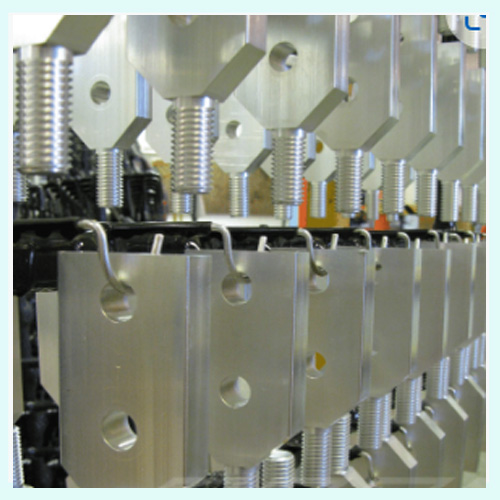
Aluminum plating involves coating a metal or alloy surface with aluminum, typically using electroplating or electroless plating techniques.
Productprocess flowTDSMSDSID:Product Details
process flow
TDS
MSDS
Substrate Considerations
Most industrial aluminum plating is performed on aluminum alloys rather than pure aluminum, as alloys like aluminum-magnesium or aluminum-silicon provide better mechanical properties and are easier to plate Wrought alloys are commonly used for foils, extrusions, and rolled plates, while cast alloys are chosen for cost-effective applications with lower tensile strength requirements Proper surface pretreatment, such as zincate processes, is essential to ensure adhesion and uniform coating
Common Plating Metals
-
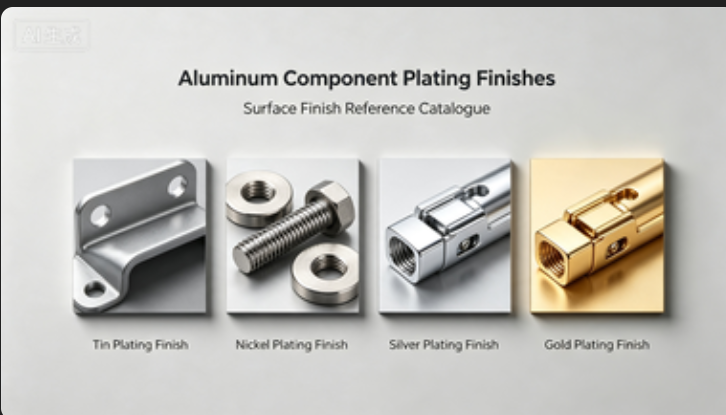
Tin: Cost-effective, corrosion-resistant, and electrically conductive; often used for electronic components
-
Nickel: Increases hardness, wear resistance, and corrosion protection; suitable for industrial and aerospace applications
-
Silver: Enhances surface conductivity and corrosion resistance; used in energy and electronics industries
-
Gold: Provides biocompatibility and prevents oxide formation; ideal for medical devices
-
Electroless Nickel: Offers uniform coating, excellent corrosion resistance, and serves as a base for further plating