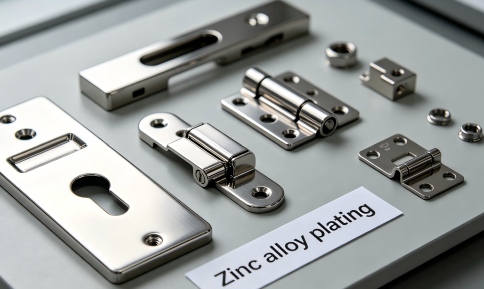
Zinc alloy plating
Zinc alloy is a metal primarily composed of zinc, combined with small amounts of other metals like aluminum, copper, and magnesium to enhance strength, durability, and castability.
Productprocess flowTDSMSDSID:Product Details
process flow
TDS
MSDS
Pure zinc on its own is relatively brittle. Adding a few percent of other metals transforms its behavior. The most common family of zinc alloys goes by the trade name Zamak (an acronym from the German words for zinc, aluminum, magnesium, and copper). Zamak 3, the most widely used grade, contains about 4% aluminum, up to 3.3% copper, and a tiny fraction of magnesium (0.035% to 0.06%). The rest is zinc.
Each element plays a specific role. Aluminum improves castability and strength. Copper increases hardness and makes the alloy more resistant to wear. Magnesium, even in trace amounts, helps counteract a problem called intergranular corrosion, where grain boundaries inside the metal weaken over time. Different Zamak grades adjust these ratios for different jobs: Zamak 5 has more copper for extra strength, while Zamak 2 pushes copper even higher for parts that need to resist heavy wear.