Chrome Plating on Plastics
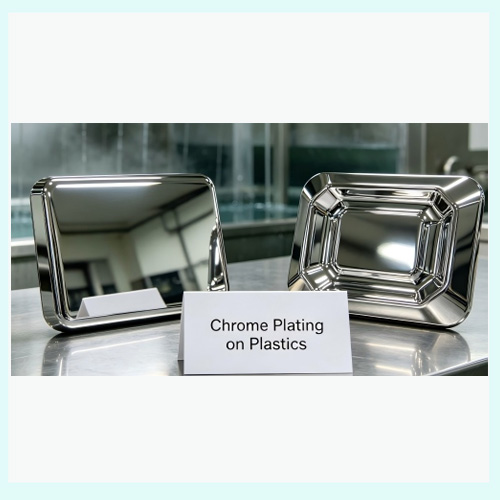
Chrome plating on plastics creates a durable, reflective metal-like finish by first making the non-conductive plastic surface conductive and then electroplating chromium.
Productprocess flowTDSMSDSID:Product Details
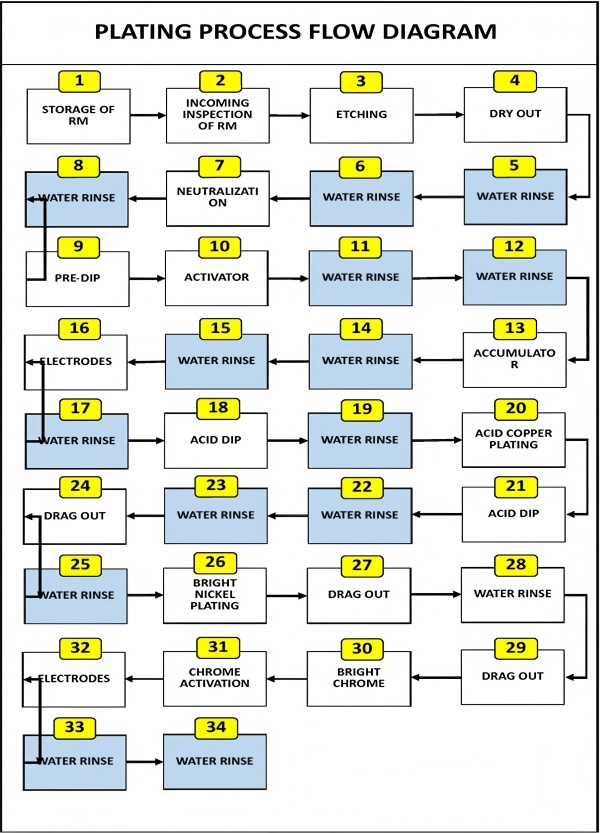
process flow
TDS
MSDS
Chrome plating transforms plastic parts into shiny, metallic-looking components while maintaining the lightweight properties of plastic, making it popular in automotive, electronics, and consumer goods industries 。 Unlike metals, plastics are non-conductive, so they require surface preparation and metallization before chromium can be deposited
Step-by-Step Process
- Cleaning and Surface Preparation: The plastic is thoroughly cleaned to remove oils, dirt, and residues. Sanding with fine-grit paper creates a slightly rough texture to improve adhesion
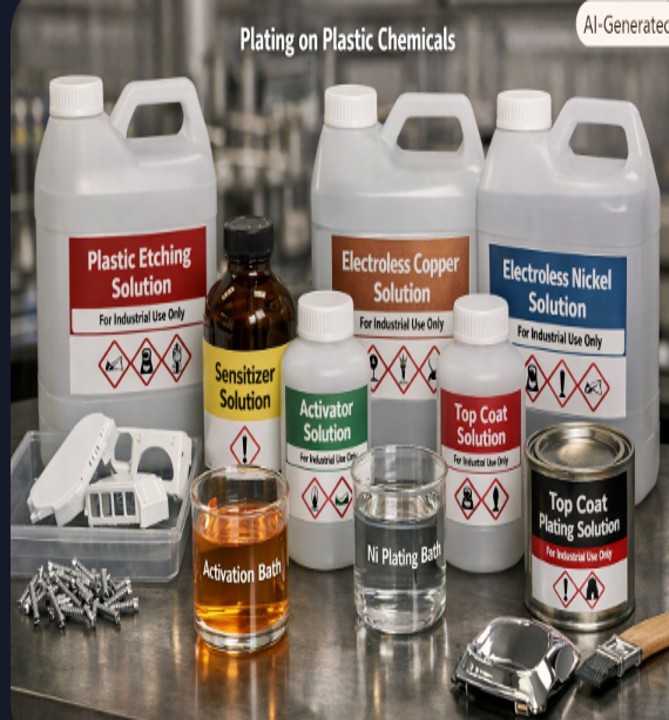
- Etching: The surface is chemically etched, often using chromic or sulfuric acid, to create microscopic pores that act as anchors for the metal coating
- Catalytic Coating: A thin layer of palladium and tin is applied, with tin oxidized to form a catalytic surface. This prepares the plastic for electroless metal deposition
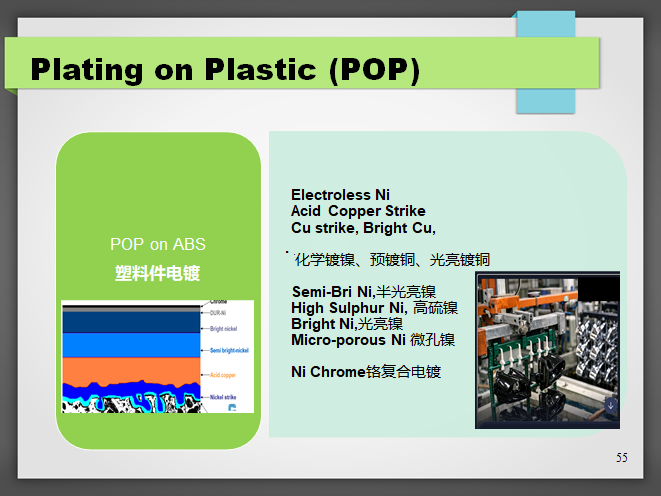
- Electroless Nickel Plating: A uniform nickel layer is chemically deposited without electricity, converting the plastic into a conductive substrate capable of accepting electroplated metals
- Electroplating with Chromium: The part is submerged in a chromium ion bath, and an electric current deposits a thin, reflective layer of chromium onto the conductive surface
- Optional Vacuum Metalizing: Some processes use vaporized aluminum in a vacuum chamber to achieve a chrome-like finish, often followed by a protective topcoat