High P EN
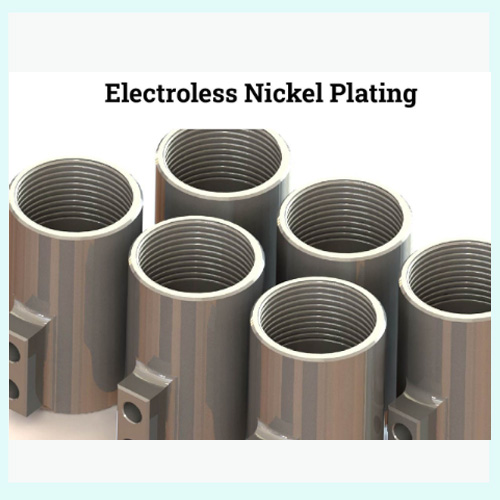
Electroless nickel-phosphorus plating, also referred to as E-nickel, is a chemical process that deposits an even layer of nickel-phosphorus alloy on the surface of a solid substrate, like metal or plastic. The process involves dipping the substrate in a water solution containing nickel salt and a phosphorus-containing reducing agent, usually a hypophosphite salt. It is the most common version of electroless nickel plating
Productprocess flowTDSMSDSID:Product Details
process flow
TDS
MSDS
n electroless nickel coating is a dense alloy of nickel and phosphorus. The amount of phosphorus codeposited can range from less than 2% to more than 12%, depending upon bath formulation, operating pH and bath age. The deposition process is autocatalytic; i.e., once a primary layer of nickel has formed on the substrate, that layer and each subsequent layer becomes the catalyst that causes the above reaction to continue. Thus, very thick coatings can be applied, provided that the ingredients in the plating bath are replenished in an orderly manner. In general commercial practice, thickness range from 0.1 mil to 5 mils, but in some salvage operations 30 mil deposits are not uncommon.
Electroless nickel deposits are functional coatings and are rarely used for decorative purposes only. The primary criteria for using electroless nickel generally falls within the following categories:
1) Corrosion resistance.
2) Wear resistance.
3) Hardness.
4) Lubricity.
5) Solderability and bondability.
6) Uniformity of deposit regardless of geometries.
7) Nonmagnetic properties of high-phosphorus nickel alloy.