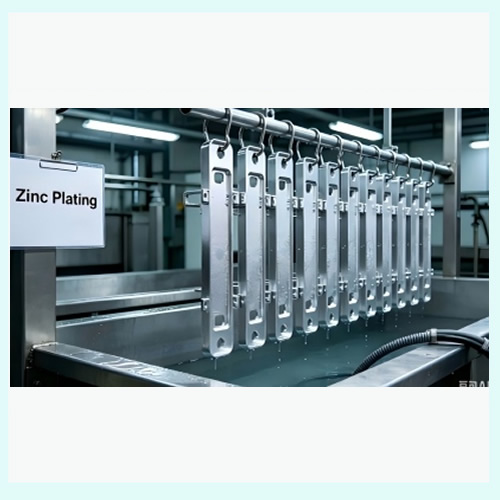
Zinc Plating
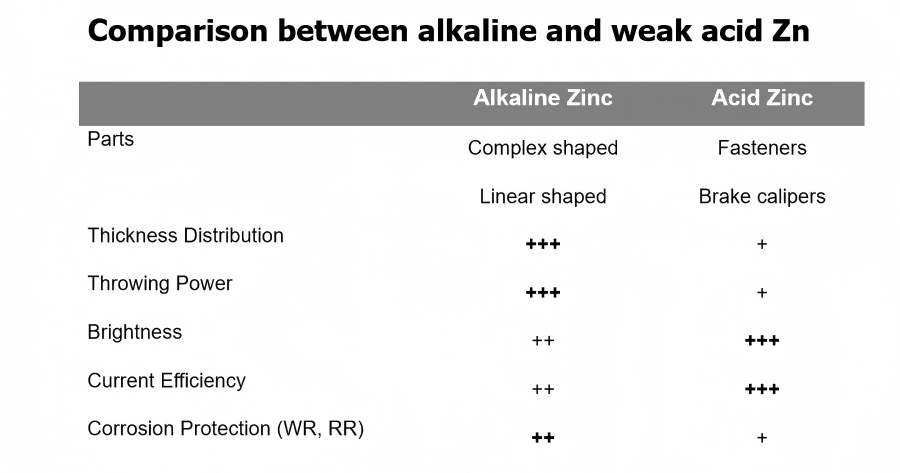
Zinc Plating refers to the electrodeposition of zinc metal on the surface of different components to enhance their physical and mechanical properties. The purpose of this coating is to build a barrier between substrate surface and environmental factors causing corrosion and damage such as oxygen and moisture. Zinc plating is not only reliable but also economically favorable, making it a priority choice for manufacturers. Acid Zinc Plating divided into : a. Acid Zinc based on Ammonia salt b. Acid Zinc based o...
Productprocess flowTDSMSDSID:Zn-850酸性镀锌/Zn-852碱性镀锌Product Details
process flow
TDS
MSDS
It function in two ways :
Galvanic Protection
Zinc is more reactive than steel or iron. When the component is exposed to corrosive environments, zinc corrodes preferentially to the base metal. Even if the coating is scratched or damaged, the zinc effectively sacrifices itself.
Physical Protection
The zinc layer acts as a physical shield that isolates the underlying metal from moisture, oxygen, and other corrosive elements. This shield prevents exposure of steel to the harsh environment preventing it from getting corrosion.
For Zinc plating , there are two choices :
1. Acid Zinc Plating
2. Alkaline Zinc plating
The Zinc layer is protected by Passivation.
They come in a range of colors , Blue or Yellow or Rainbow or Black
The Passivation layer is protected by a Sealant. Passivation Sealant function by creating a protective layer on the surface of the material , such as metal and semi-conductors, through chemical reactions. The layer often anoxide , acts as a barrier against corrosion and other environmental factors
Sealant serve to
1. Corrosion Resistance, reduce rate of corrosion , extend shef life
2. Enhance Durability , perserve asthetics of material , also enhance mechanicl properties
3. Improved Performance